
Kakushizushi - hidden sushi
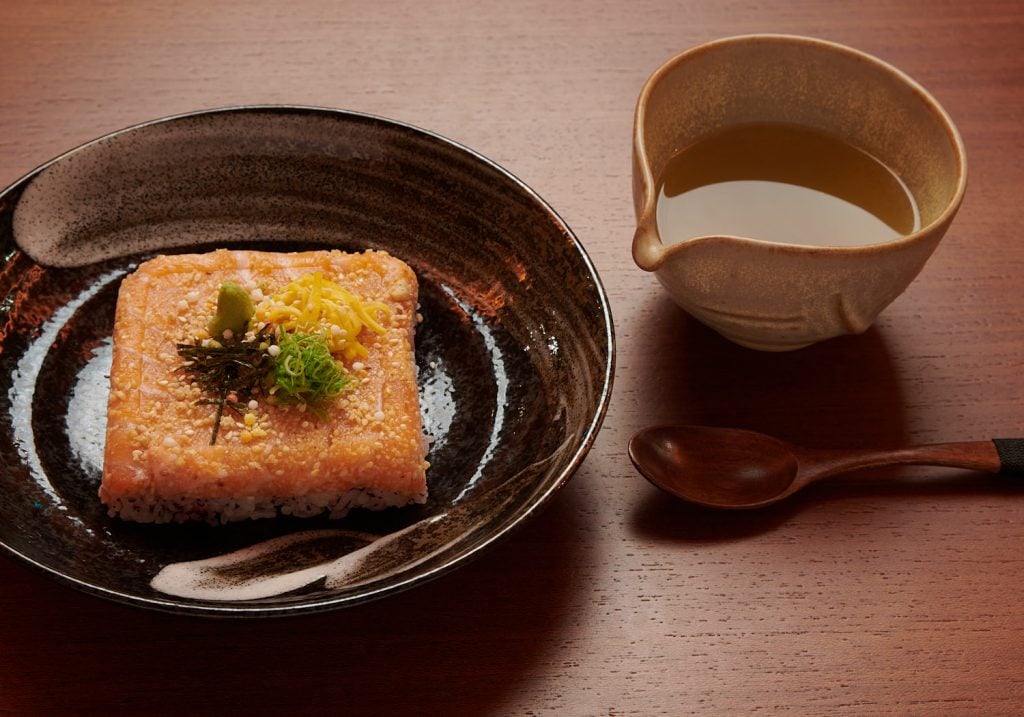
Sushi is still one of our favorite topics - besides the usual known types, shapes or varieties of sushi, there are also a few very special ones, which we always like to present in our blog. And if you are very lucky, you can sometimes try these specialties in our restaurant or delivery service...
Shokado box
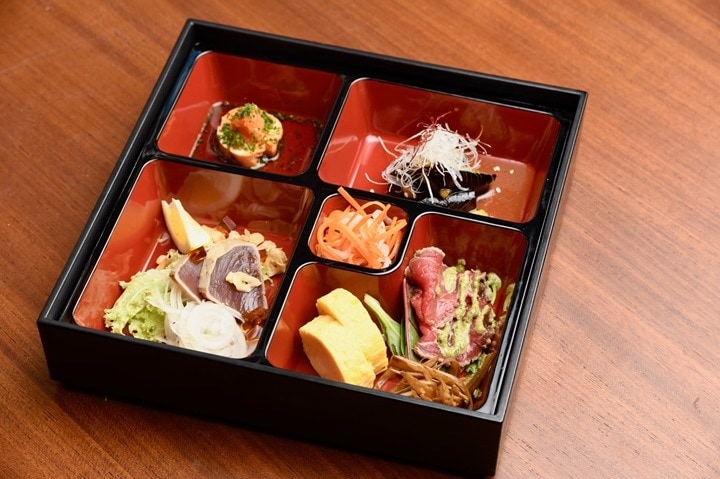
Fans of Japanese cuisine will often come across the term „bento box“ – and then, as an interesting variation, the term „shōkadō bento box.“ WHAT EXACTLY IS A SHOKADO BENTO BOX? First and foremost, the bento box is a traditional small container for "food to go." Whether for farmers working in the fields, merchants traveling across the country, or soldiers at war – the […]
Coronavirus & Restaurant Hygiene sansaro
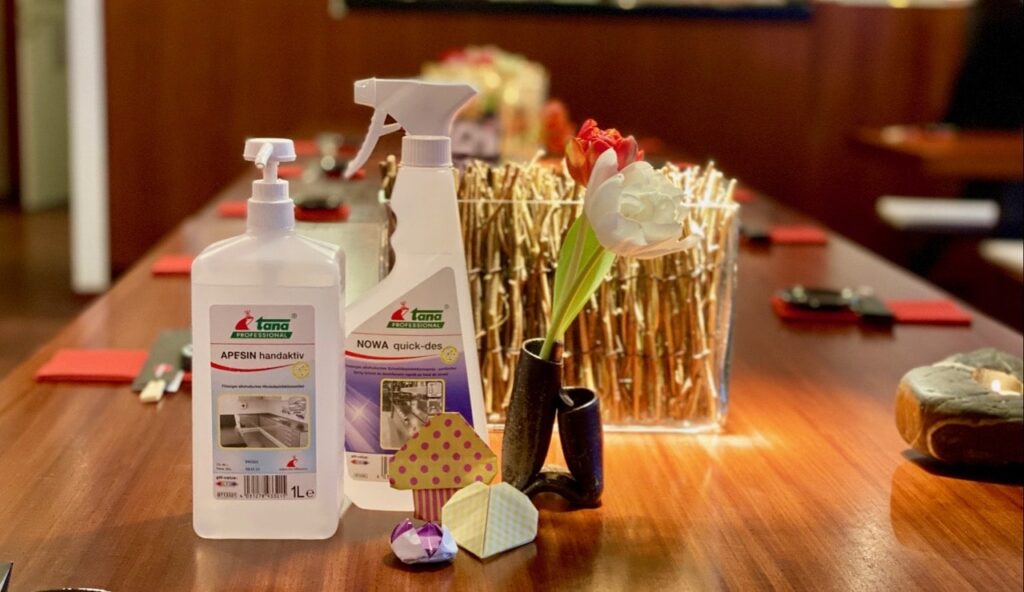
The Corona pandemic is gripping us all, personally or professionally. Here we provide some information on how we can help in the Restaurant sansaro deal with hygiene, how our business is doing with the crisis and, of course, if and when we are open.
How & what is sake made from?
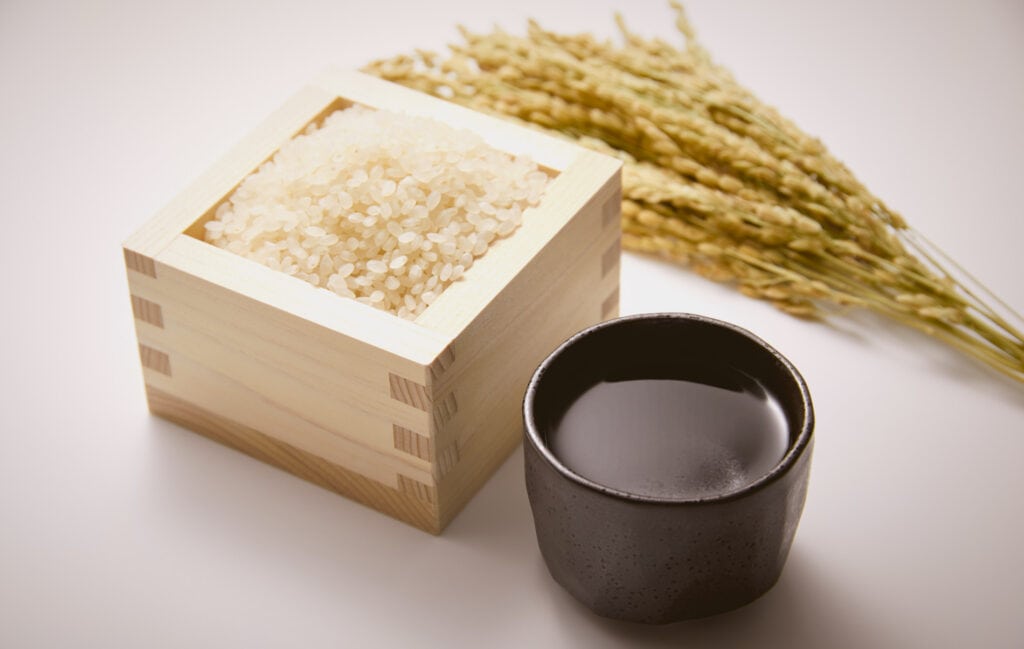
Sake, the alcoholic beverage from Japan, is made only from water, rice and Kōji. The quality and the different characteristics of the individual ingredients play a special role. The few ingredients are brewed in a very elaborate craft process, so that high-quality sake can have an enormous variety of aromas and flavors.
Rice - central raw material for sake production
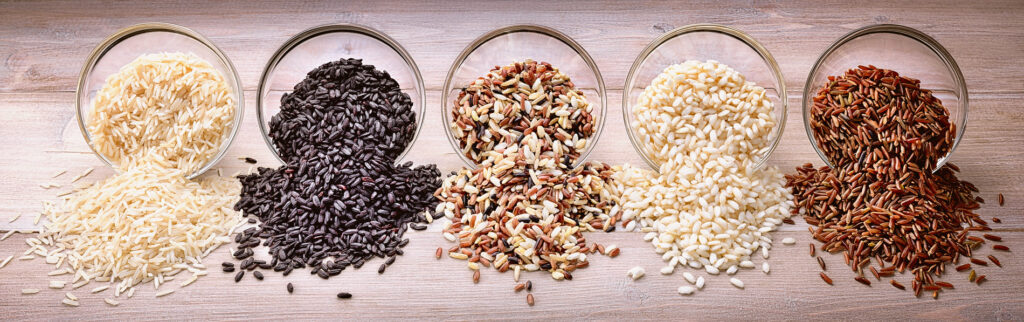
To a bottle Sake Junmai category, you need about 1.8 kg of rice - for a Junmai Daiginjō sake, it is already 3 to 3.5 kg of rice as a starting point, since less of the original rice remains here due to the higher degree of polishing.
No wonder that the rice used is of special importance. Here we explain everything about rice as a raw material for sake production.
Important raw material for sake: (Japanese) water
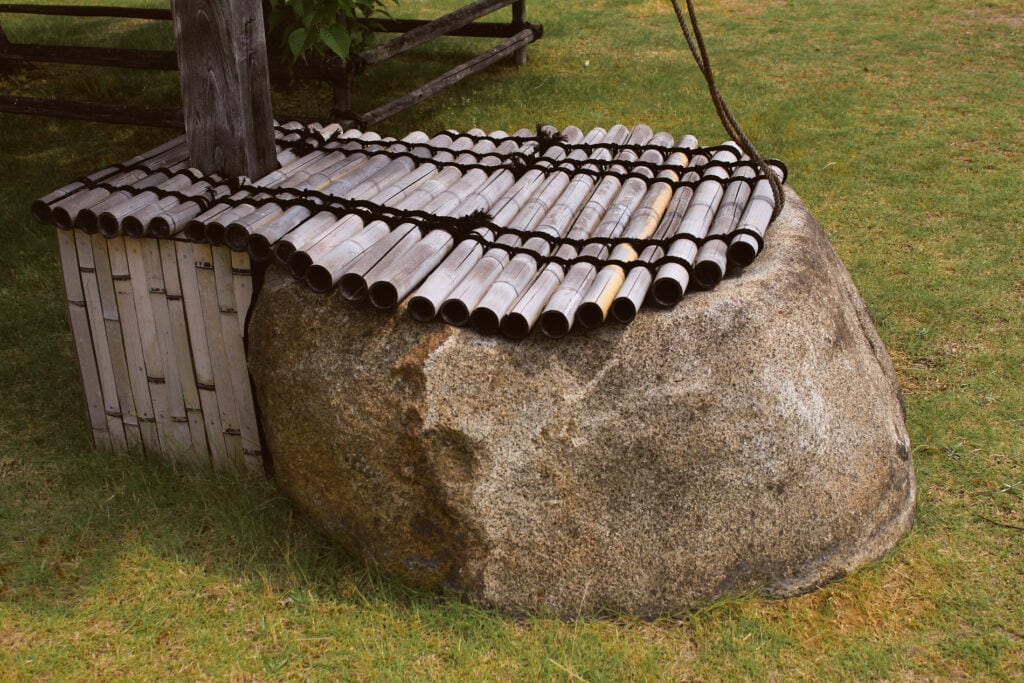
For the Production of high quality premium sake the quality of the water used is of crucial importance. Japan as a volcano-rich country offers countless special regional water qualities that produce special sake with sometimes exceptional softness. Here you can learn all about the raw material water in Japan and how it influences Japanese sake.
Sake styles by regions of Japan
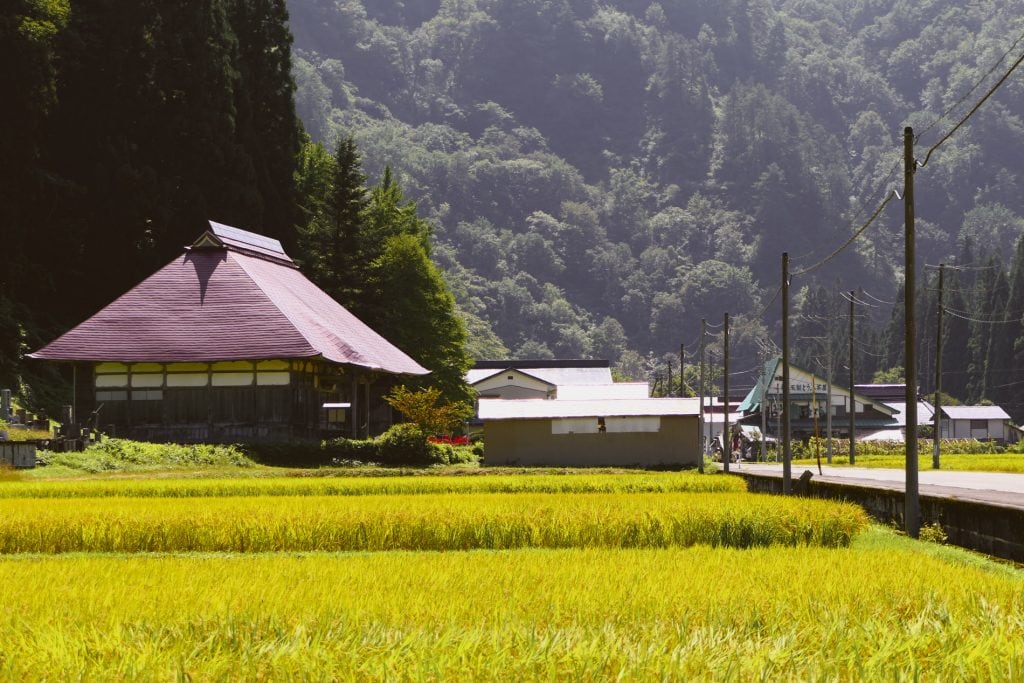
Sake is produced all over Japan, from Hokkaidō in the north to Okinawa in the south. The taste varies greatly depending on the region where it is made. This is because sake brewing is influenced by the water and climate of the region where the brewery is located.
Yeast & Kōji, invisible components of sake production.
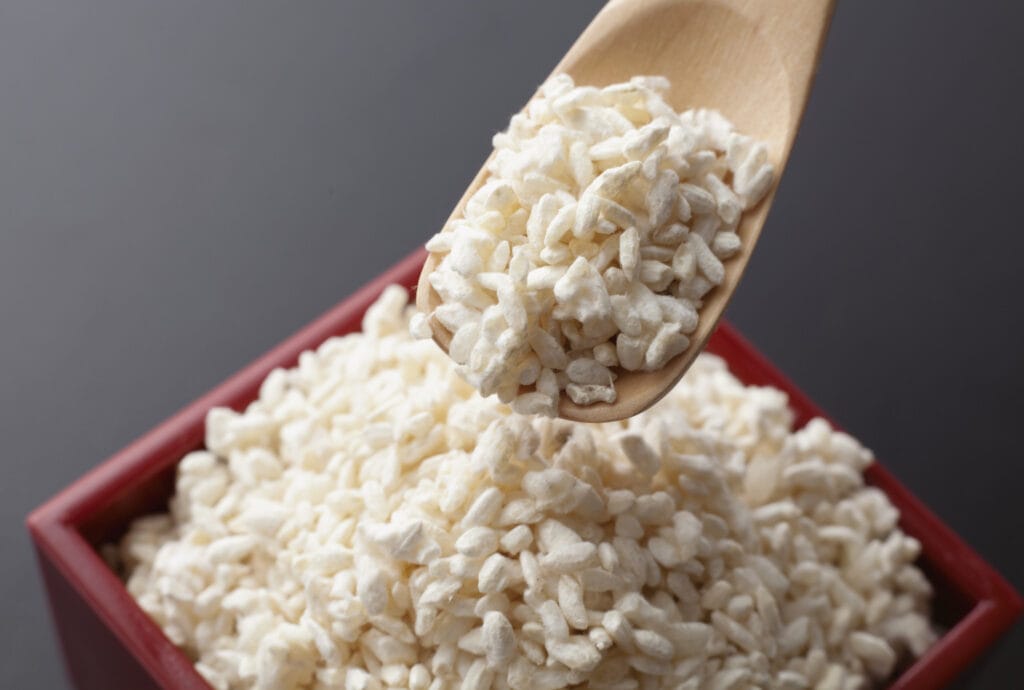
So that a first class Sake brewed, it requires not only the right water and a special rice, but also yeast and a very specific noble mold. The Kōji fungus (lat. Aspergillus oryzea) ensures that the starch can be broken down. Various, often specially bred yeasts are then what give the sake a large part of its special flavor and shape the style of the sake.
The individual steps of sake production
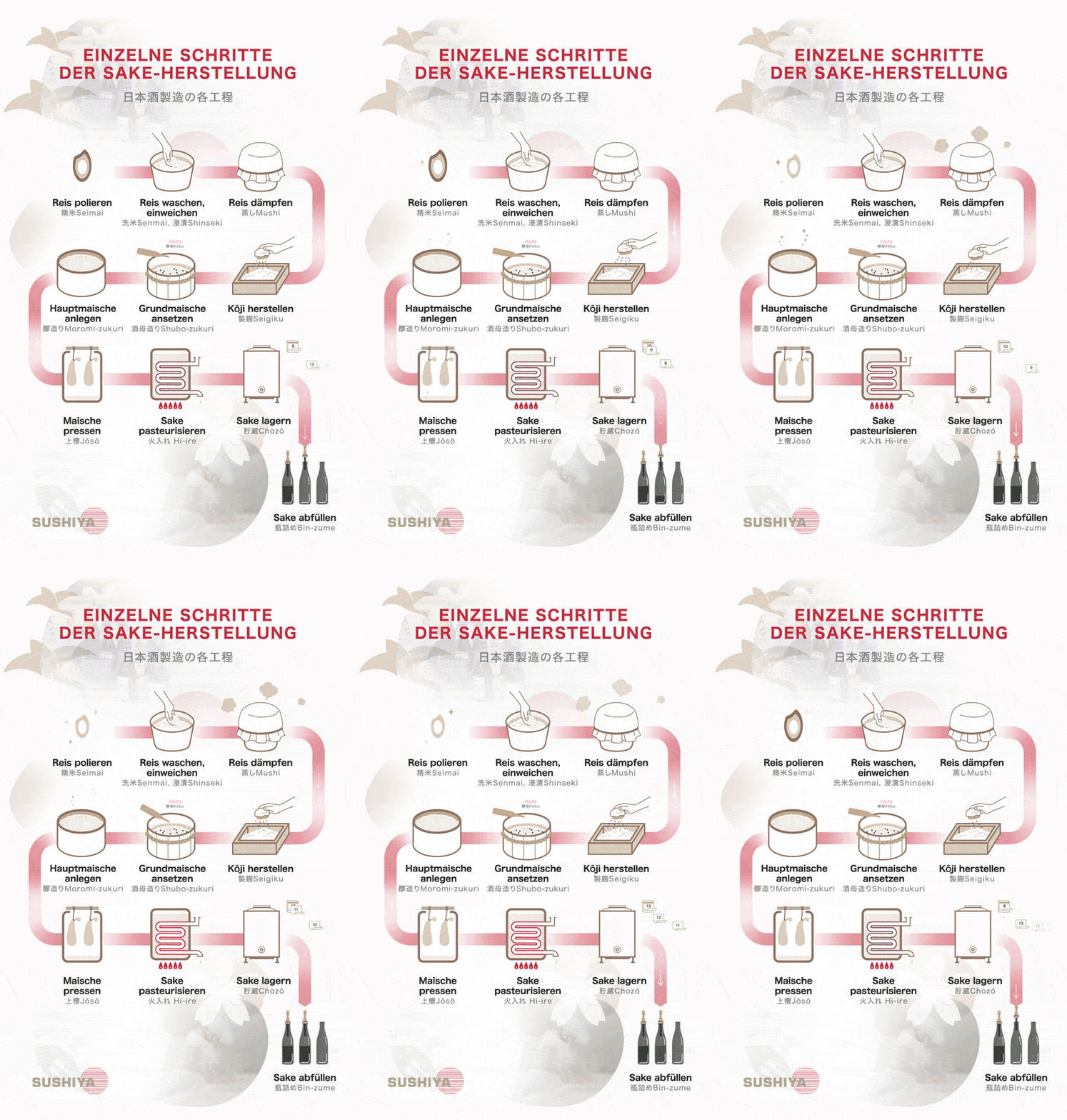
Typical Japanese is the Sake production an elaborate craft in which each section requires a great deal of experience and skill. The right rice and the optimal water for sake are assumed, as well as of course Yeast & Kōji. Everything comes together through elaborate manual labor. Here is an insight into the individual steps of sake production.
Which types of rice are suitable for sake production?
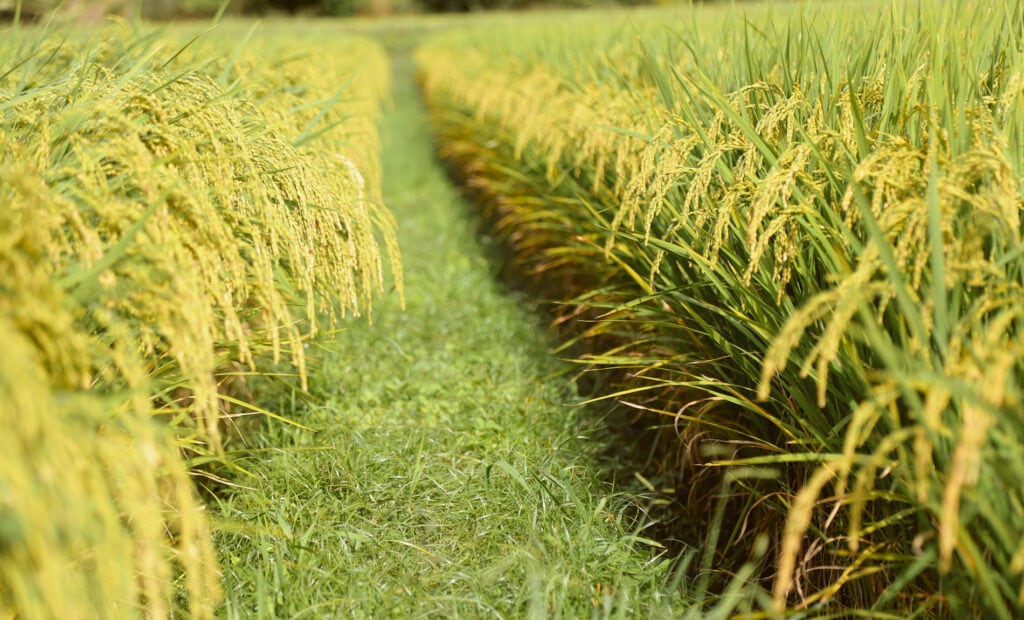
Although you can see Japanese Sake can basically brew from all types of rice, there are, of course, special rice varieties that are best suited for fine sake - and beyond that, some special rice varieties that differ from their edible rice counterparts in structure and characteristics. Here we give an insight into the special rice varieties for the Sake making.