
How to recognize good Japanese restaurants
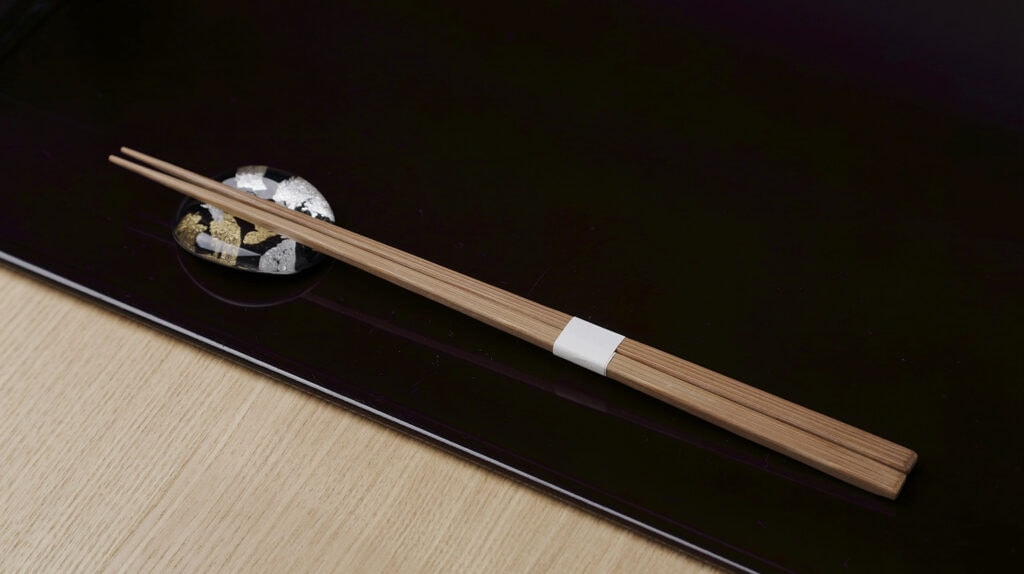
Sushi seems to be available everywhere these days—but only Japanese chefs know how to season the rice properly and cut the fish correctly. That's roughly what it said on our homepage shortly after the sansaro restaurant opened in 2007. And even if it's an exaggeration, of course, since there are also [...]
Washoku Glossary
Washoku glossary Japanese cuisine is an endless treasure trove of exciting stories. Here we link to a few terms that we have come across on our forays into Japanese cuisine. A B C D E F G H I J K L M N O P Q R S T U V W X Y Z A [...]
Japanese kitchen herbs
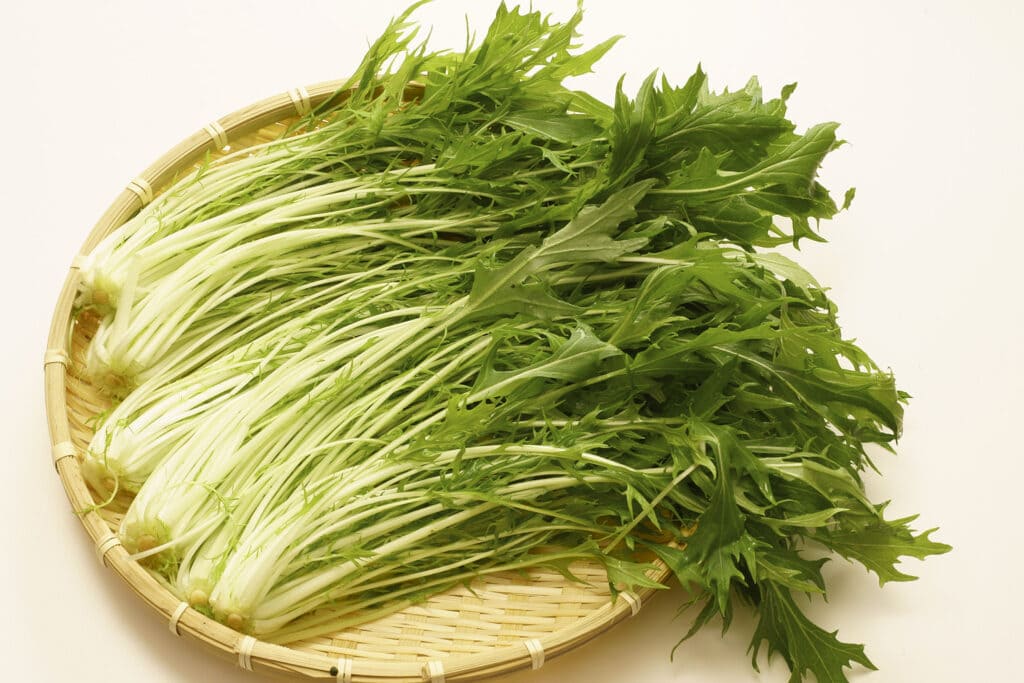
Authentic Japanese cuisine likes to focus on the natural flavors of the ingredients used and avoids mixing flavors too strongly. Instead, the flavors should complement each other. For this reason, culinary herbs are not as ubiquitous in Japan as in other countries, but they still play a very important role. Most herbs used in Japanese cuisine […]
Sashimi - Japanese-style raw fish
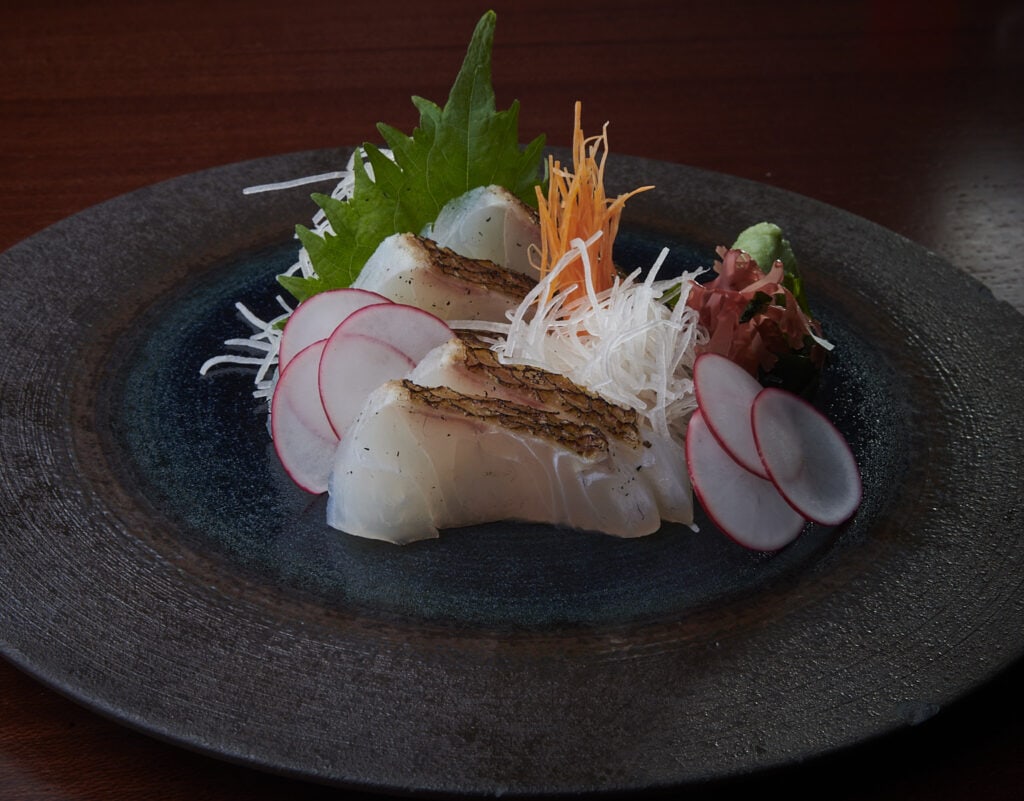
Sushi and sashimi are always mentioned in the same breath - of course, both come from Japan, are known for raw fish and are often served and eaten together. For the Japanese, things are a little different: the word „sushi“ is derived from the meaning of „soured rice“. And sashimi has nothing to do with that. [...]
Bentō - all about the Japanese lunch boxes
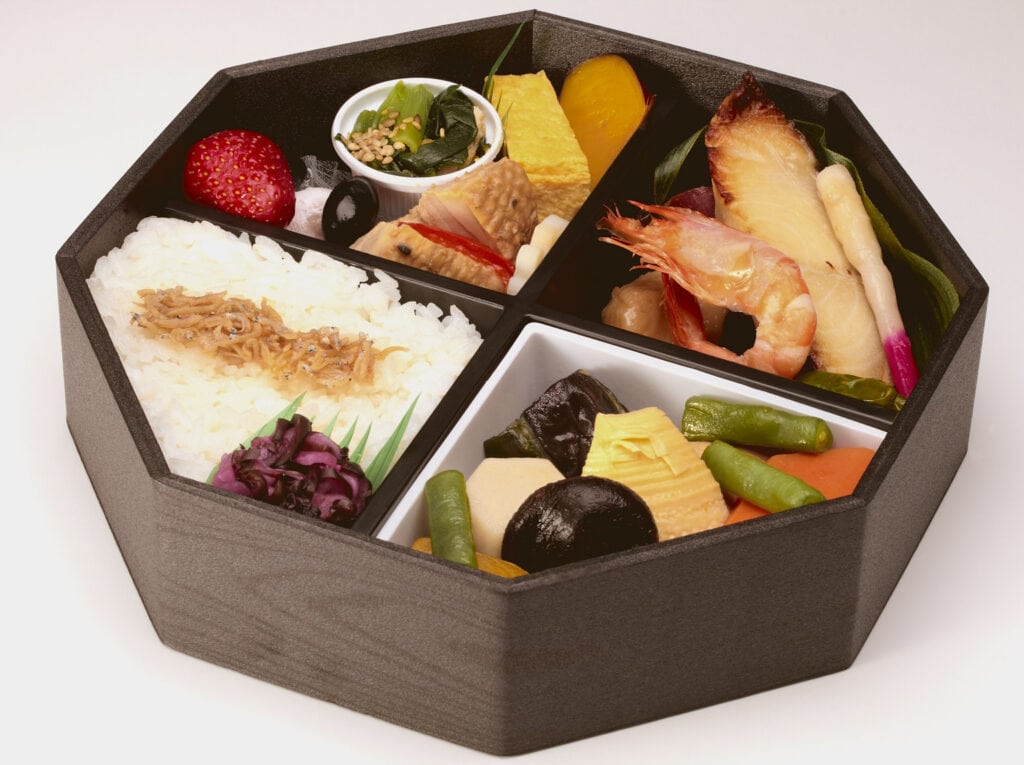
Nutritious everyday meal or tempting delicacies of Japanese cuisine aesthetically arranged in a special box - this is Bentō.
The Japanese Bentō moves in the area of tension between everyday snack and preciousness, between healthy aesthetics and culinary handicraft.
With its claim to healthy eating and its original Japanese containers, Bentō is a typical representative of Washoku, the traditional Japanese cuisine.
And in Japan, of course, there are not only the ordinary and homemade Bentō, but also exclusive Bentō, composed of the highlights of each cuisine that conquer the top gastronomy. Here is a rough overview of the spectrum that Bentō covers.
The history of Kaiseki
Many small courses, whose ingredients and preparation are tailored to the season, as is the tableware used: this is kaiseki. Kaiseki is considered the highest form of classic Japanese cuisine. Various European and Japanese sources repeatedly state that kaiseki cuisine has its origins in cha-kaiseki, a small, light meal served during the tea ceremony, [...]
Moritsuke - the Japanese art of dressing
At SUSHIYA, we love Japanese cuisine, which is why we run the sansaro restaurant. But we are not blinded by our own business and prefer to visit other good Japanese restaurants even more than our own restaurant. When we recently visited another (and even critically acclaimed) Japanese restaurant in Munich, we were surprised to find that Sashimi Moriawase was completely [...].
Washoku - what makes Japanese cuisine so special
Washoku Japanese cuisine was recognized as a World Intangible Cultural Heritage in 2013, making it one of the few national cuisines listed there. But what is so special about this cuisine? What is referred to as Washoku?
Uni - sea urchin in japanese
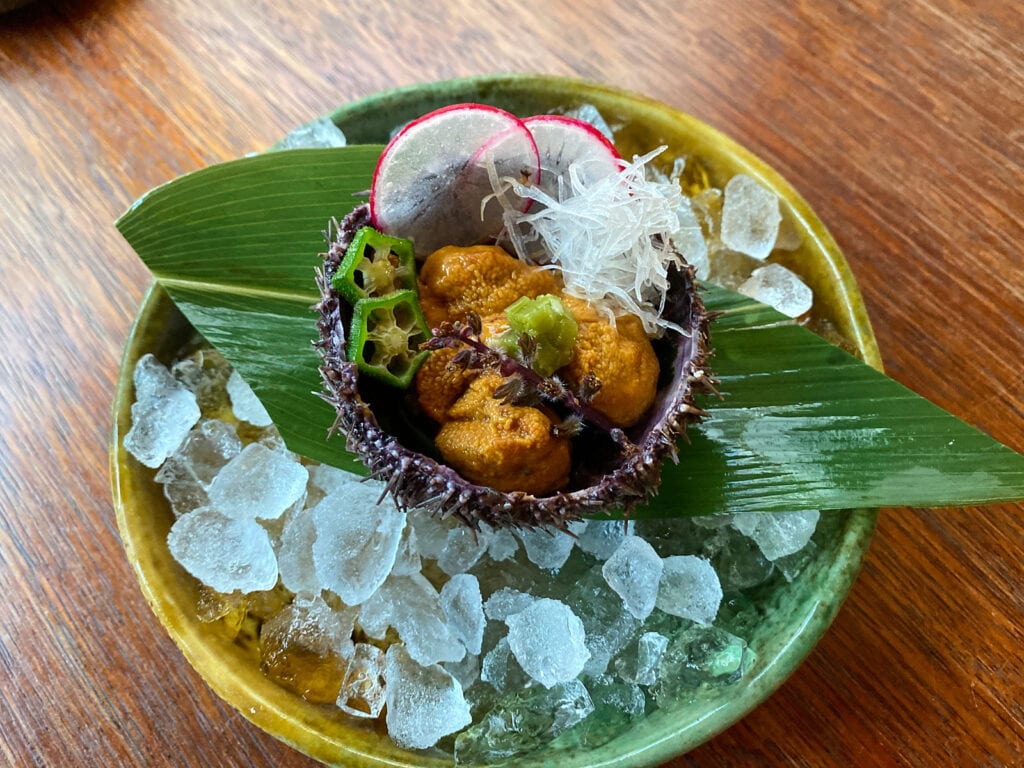
In Japan, uni, as sea urchin is called there, is a sought-after delicacy. Thanks to its incomparably spicy flavor and creamy texture, it is also becoming increasingly popular outside Japan. Whether you enjoy uni as sushi or sashimi, the diverse flavors of this special delicacy will immediately captivate you. What is uni? As uni […]
Yuzu - the aromatic Japanese citrus fruit
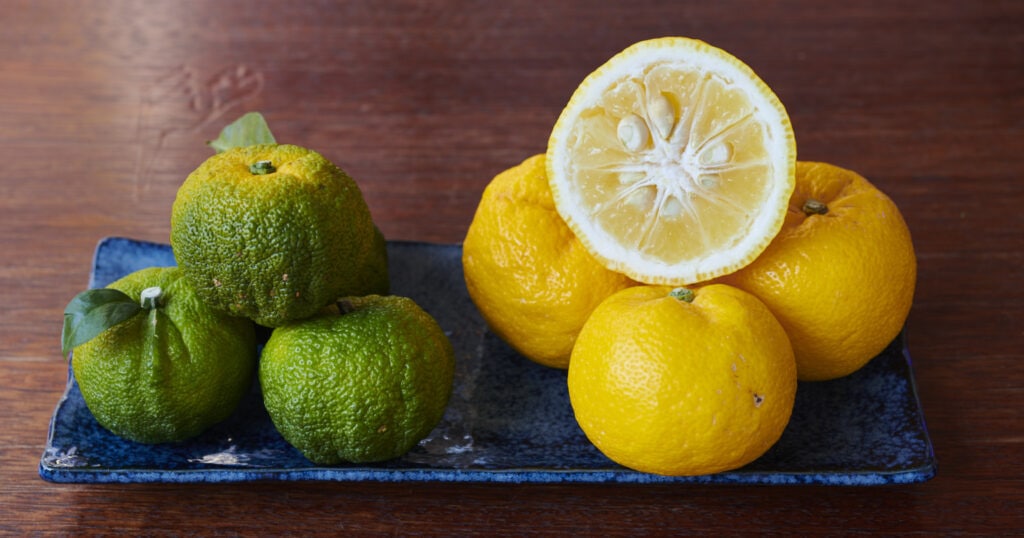
An intensely fresh, slightly tart and tangy fragrance, yellow to orange color, and an incredible aroma—that's yuzu, biologically known as Citrus x junos. This citrus fruit comes from Japan, is about the size of a tennis ball, and enriches Japanese cuisine, cocktails, and even personal care products. It can often be found fresh, dried, or [...]