
Chōmiryō – A journey through Japan's seasonings (調味料)
In Japanese cuisine, seasonings (chōmiryō) are among the most important elements for creating the typical flavor and characteristic balance between sweetness, saltiness, acidity, and umami. This does not just refer to salt or sugar, but to a whole range of ingredients and products that refine every dish. […]
Shōjin-Ryōri – vegetarian Japanese temple cuisine
Introduction to Shōjin-Ryōri (精進料理) Shōjin-Ryōri (精進料理) is a form of Japanese cuisine that is closely linked to Buddhism, particularly Zen (禅). Shōjin-ryōri is often referred to as vegetarian temple cuisine. Shōjin-ryōri is an important part of the culinary heritage of washoku: it combines respect for all living things with sophisticated cooking techniques and an aesthetic that […]
Honzen-Ryōri – the historical feasts of the samurai
Overview of Honzen-Ryōri (本膳料理) Honzen-Ryōri (本膳料理) had a major influence on the development of Cha-Kaiseki (茶懐石) and Kaiseki-Ryōri (会席料理). However, few people, whether Japanese or foreign, know exactly what the term Honzen-Ryōri means. Below, we provide a detailed insight into this traditional form of Japanese cuisine. Three forms of classic Japanese […]
Dōmyō-ji-ko - Japanese rice flour
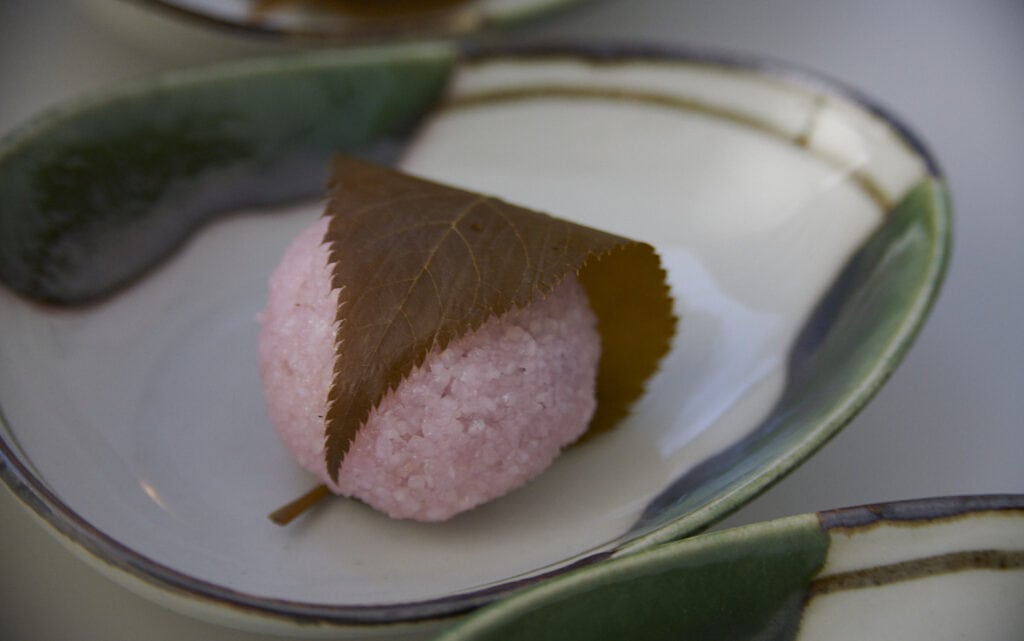
Dōmyō-ji-ko (道明寺粉) is a special type of rice flour used in Japanese cuisine, particularly for making sweet dishes such as dango (団子 – rice dumplings), mochi (餅 – rice cakes), and manjū (饅頭 – filled pastries). It is made from sticky rice and has a fine texture that makes it particularly well suited for making sticky […]
What is not washoku or Japanese cuisine
Washoku Japanese cuisine is considered one of the most varied and healthiest cuisines in the world. But not everything that comes under the label of Japanese cuisine really has anything to do with washoku...
Gluten-free & vegetarianism in Japanese cuisine
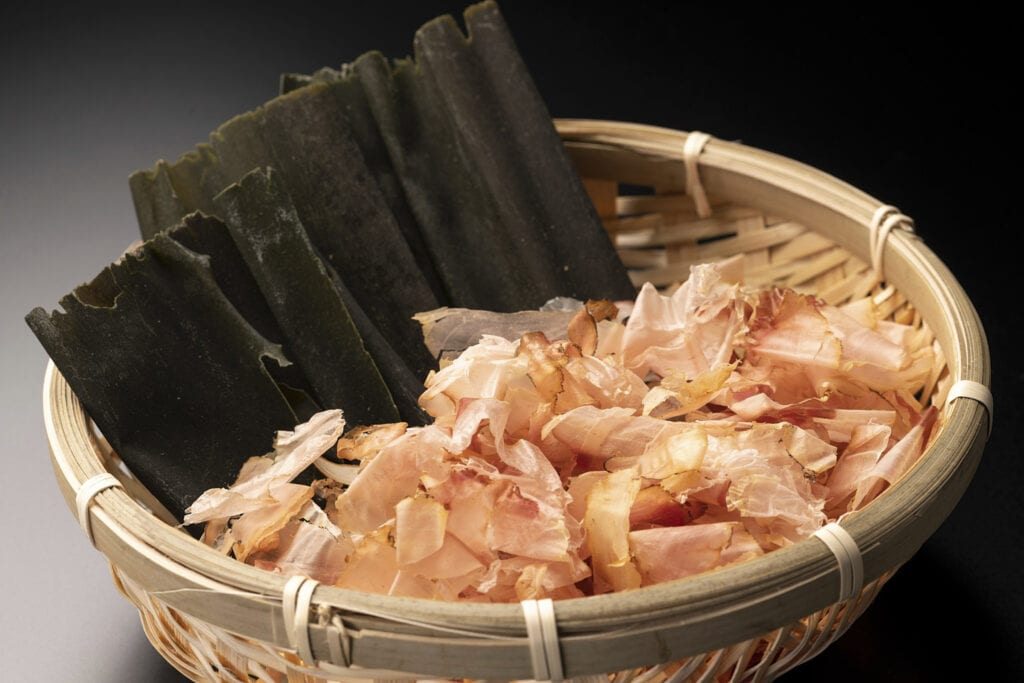
Have you ever been to a Japanese restaurant and wondered what to eat if you are vegetarian or vegan? Many menus in authentic Japanese restaurants do not appear to be vegetarian or vegan-friendly... Even dashi, the ubiquitous soup stock in Japanese cuisine, is usually a combination of kombu (seaweed) and katsuobushi [...]
Dashi & miso soup - indispensable ingredients of Japanese cuisine
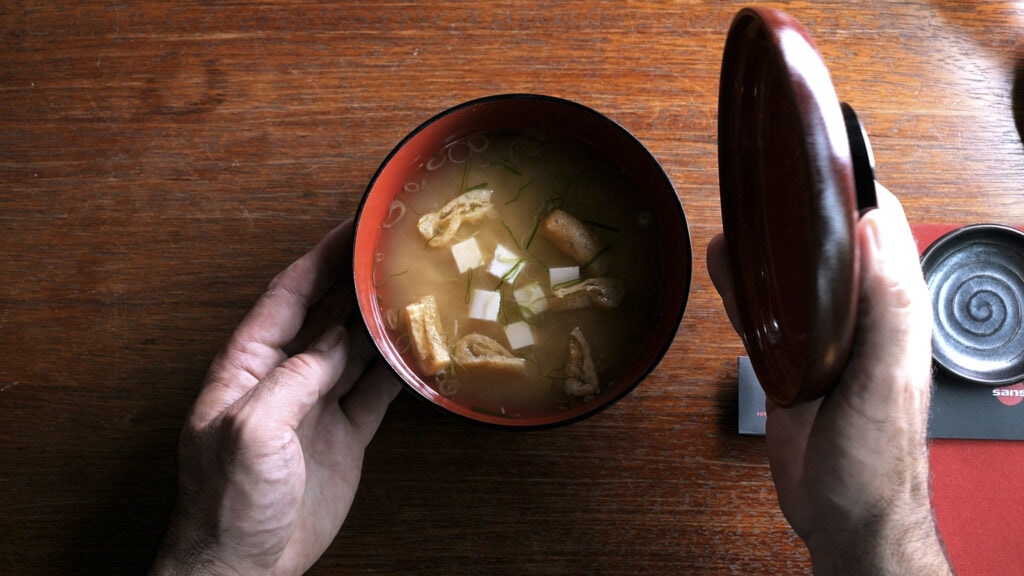
Watch the video on this topic now! Japanese miso soup, also known as „misoshiru,“ is always on the menu at sushi restaurants and is made by combining miso with a unique Japanese soup stock called dashi. The production of dashi—and thus also of authentic miso soup—is closely linked to the geography of Japan […]
Mayonnaise in Japanese cuisine
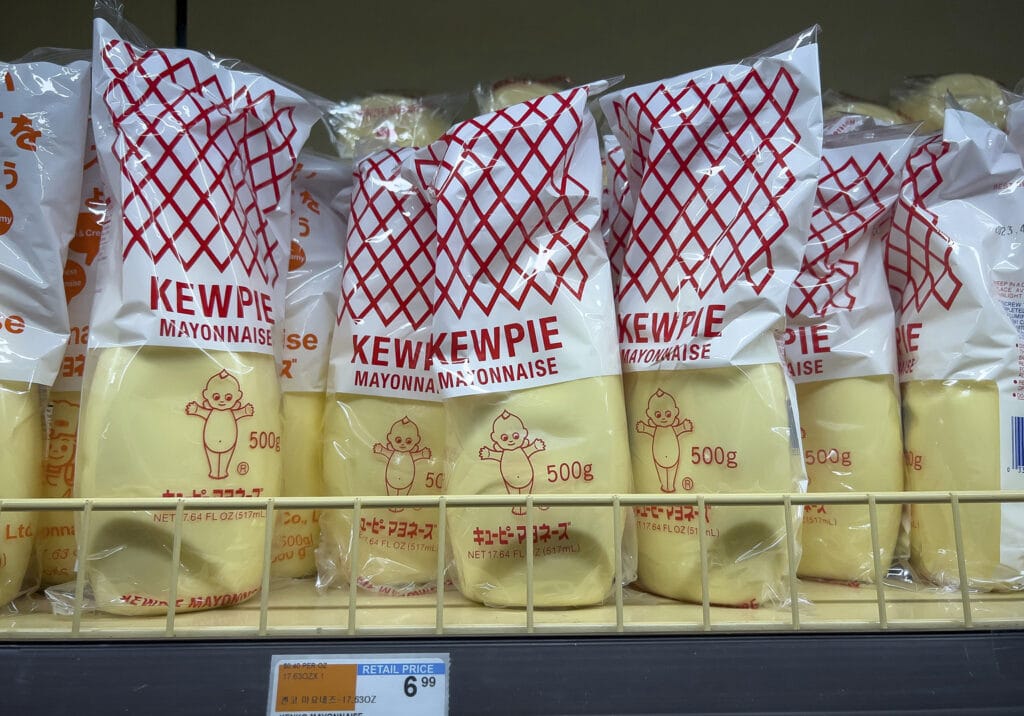
Japan – who in Germany doesn't immediately think of sushi, healthy food, longevity, the finest ingredients, and perhaps soy sauce and miso paste? It may come as a surprise to some that Japan is a country that is now virtually inconceivable without mayonnaise! The fact is: without mayonnaise, okonomiyaki (お好み焼き), yakisoba (焼きそば), takoyaki (たこ焼き), katsu-sando (カツサンド), onigiri […]
Restaurant types in Japan - (much) more than sushi!
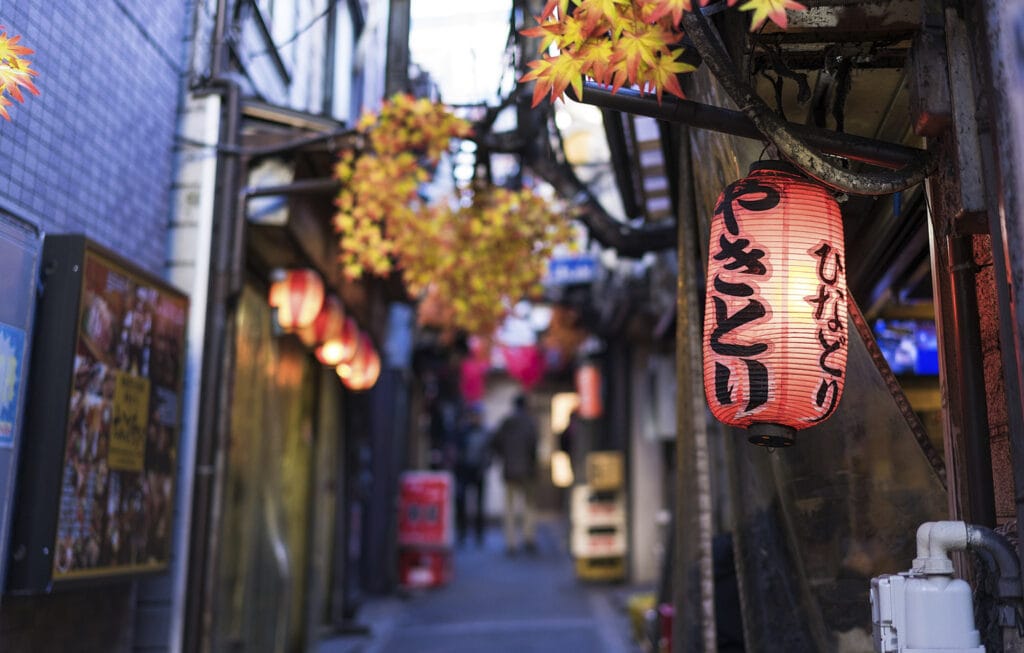
Japanese cuisine – who doesn't think of sushi? But there is actually much more to it than that. As a traveler in Japan, it's easy to feel overwhelmed: What exactly do the restaurants offer? What types of restaurants are there, and who serves what exactly? Often, the name of the restaurant indicates what kind of food it serves. You […]
Sashimi in Munich
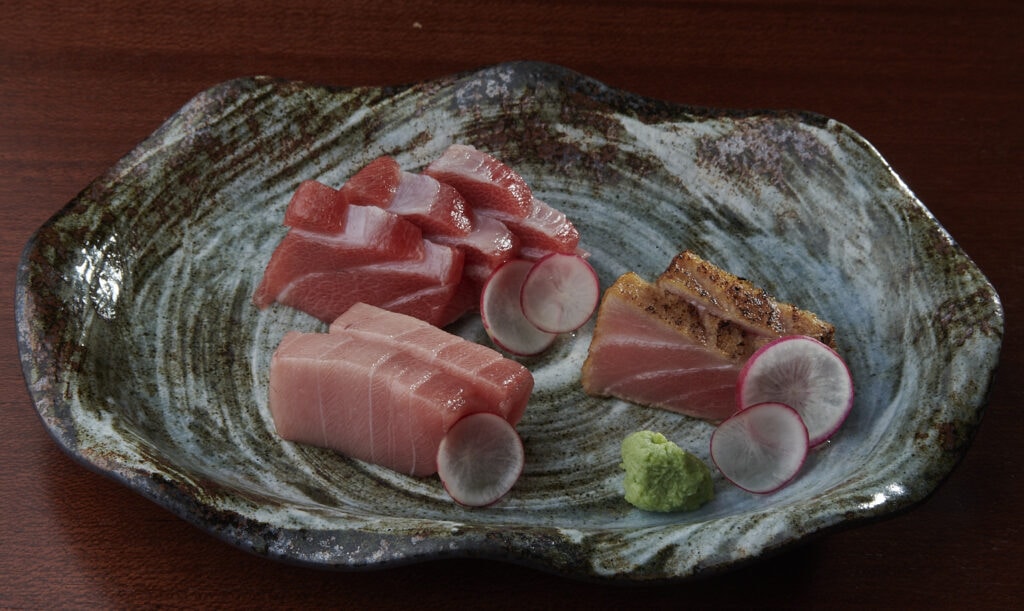
Where can you find the best sashimi in Munich? And where can you find good sashimi in Munich? Here is our experience & opinion